MULTI-ENTITY accounting software
Add subsidiaries.
Not accountants.
Add entities in minutes. Consolidate in real time.
Close with confidence, whether you have two subsidiaries or twenty.
By clicking "Schedule Demo" you agree to the use of your data in accordance with DualEntry's Privacy Notice, including for marketing purposes.

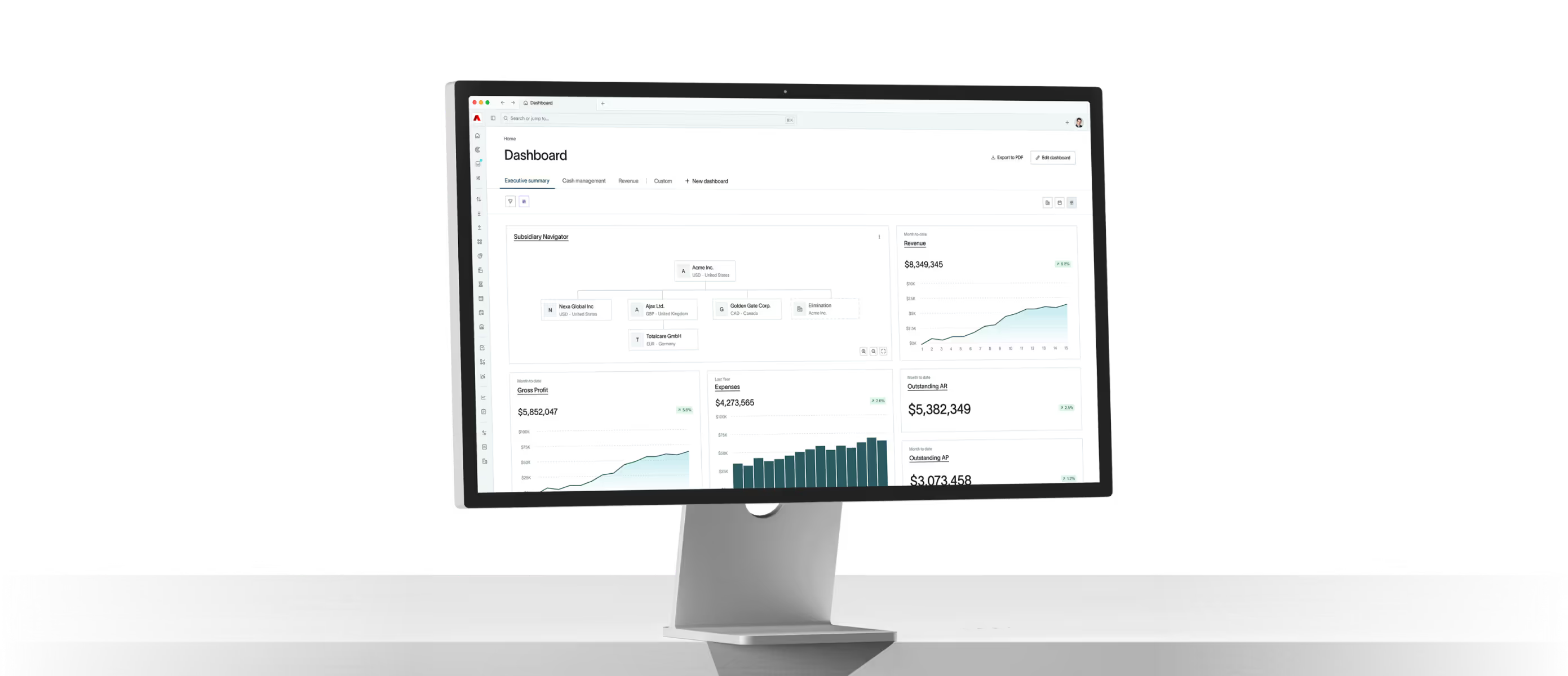
Every entity, one place.
Stop toggling between systems. Every entity in one view.
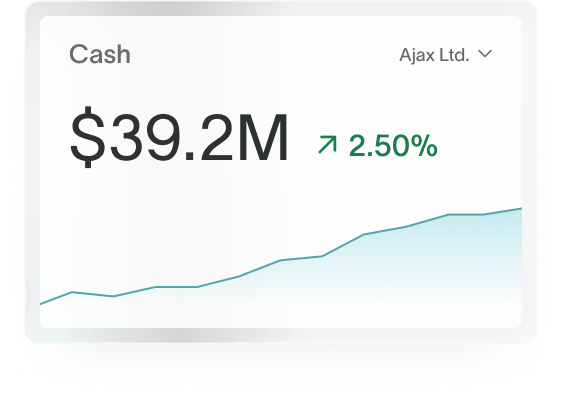
Drill in, consolidate, and switch without losing context.
The multi-entity details that break other ERPs. Automated.

%20(1).jpg)
%20(1).jpg)
%20(1).jpg)
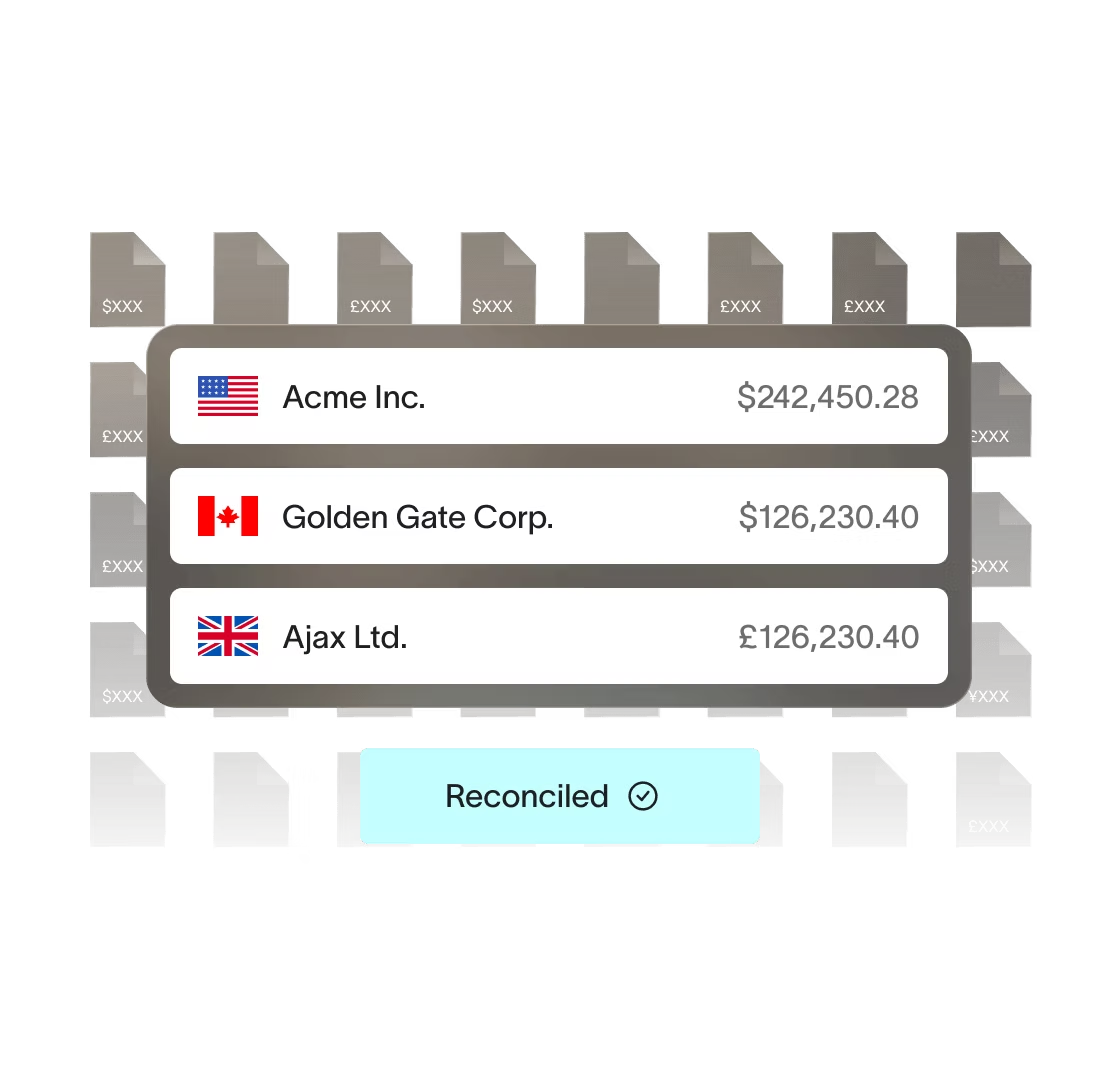
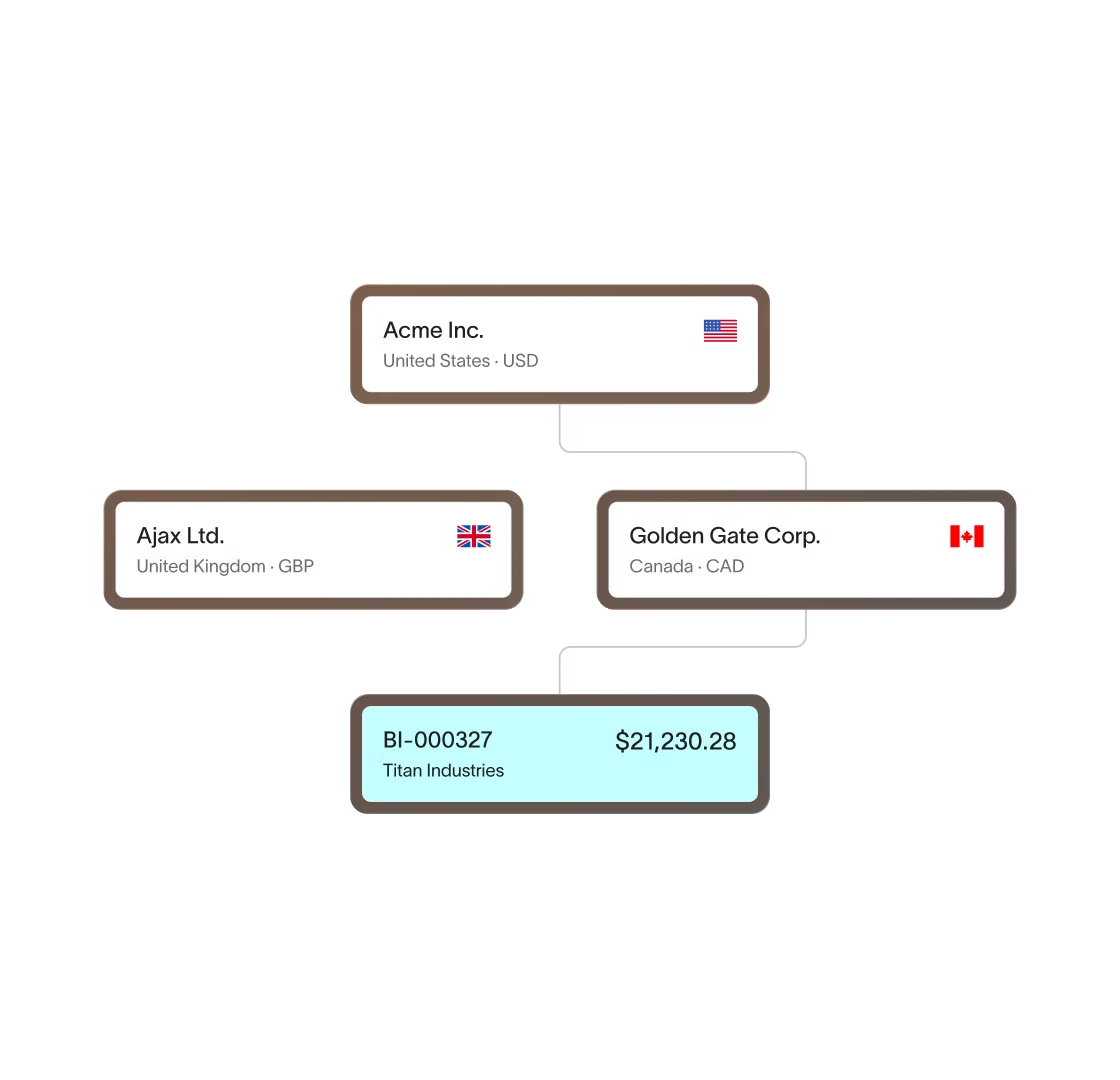
Intercompany
DualEntry posts the AR and AP simultaneously — both sides stay in sync automatically, so there's nothing to reconcile at the end of the month.
Consolidation
Currency translations, intercompany eliminations, and CTA postings all happen automatically. Toggle between entity and consolidated views whenever you need them.
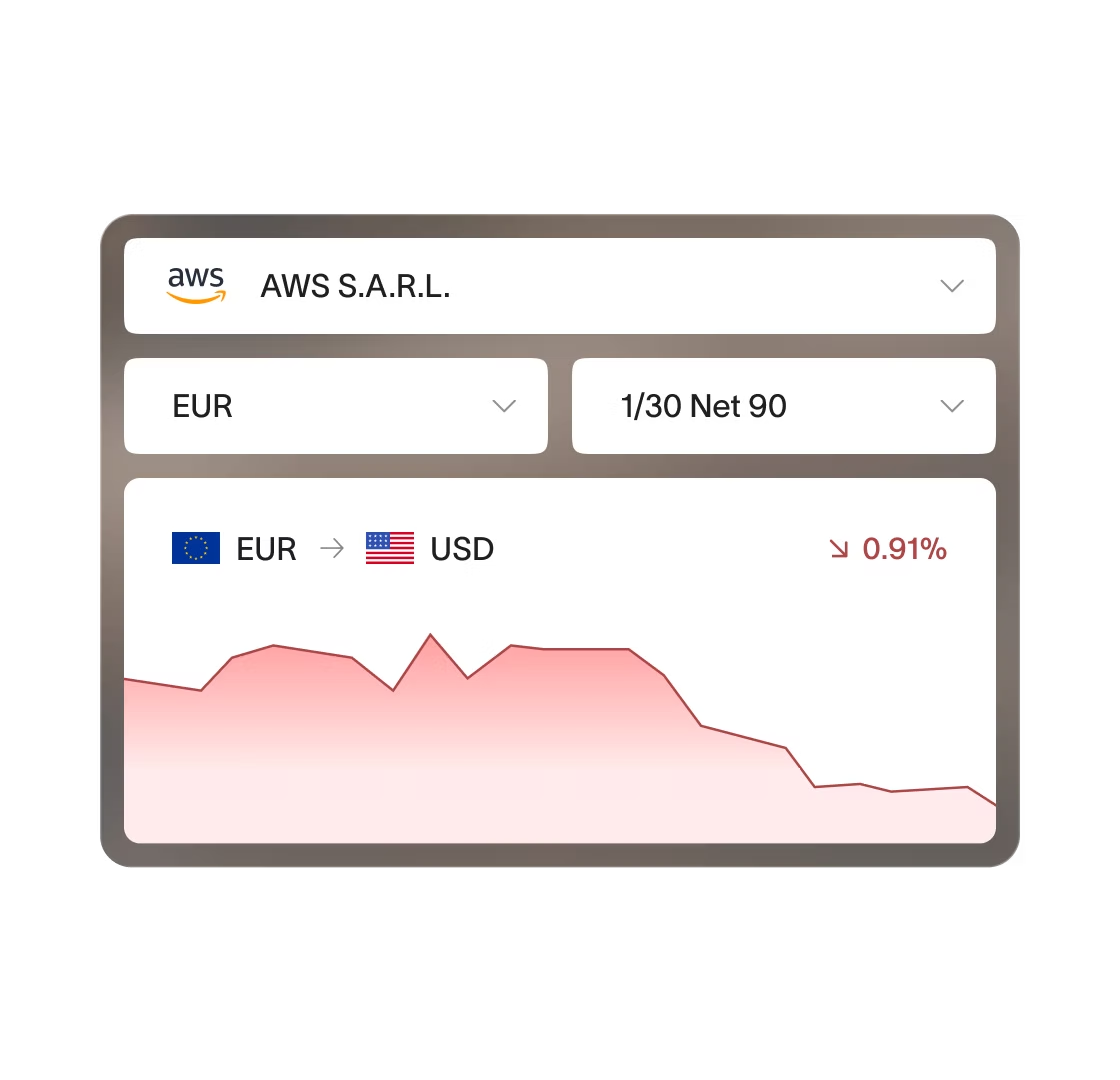
Revaluations
Live exchange rates apply at period-end automatically. Unrealized gains and losses post to the right accounts. No lookups, no manual entries.
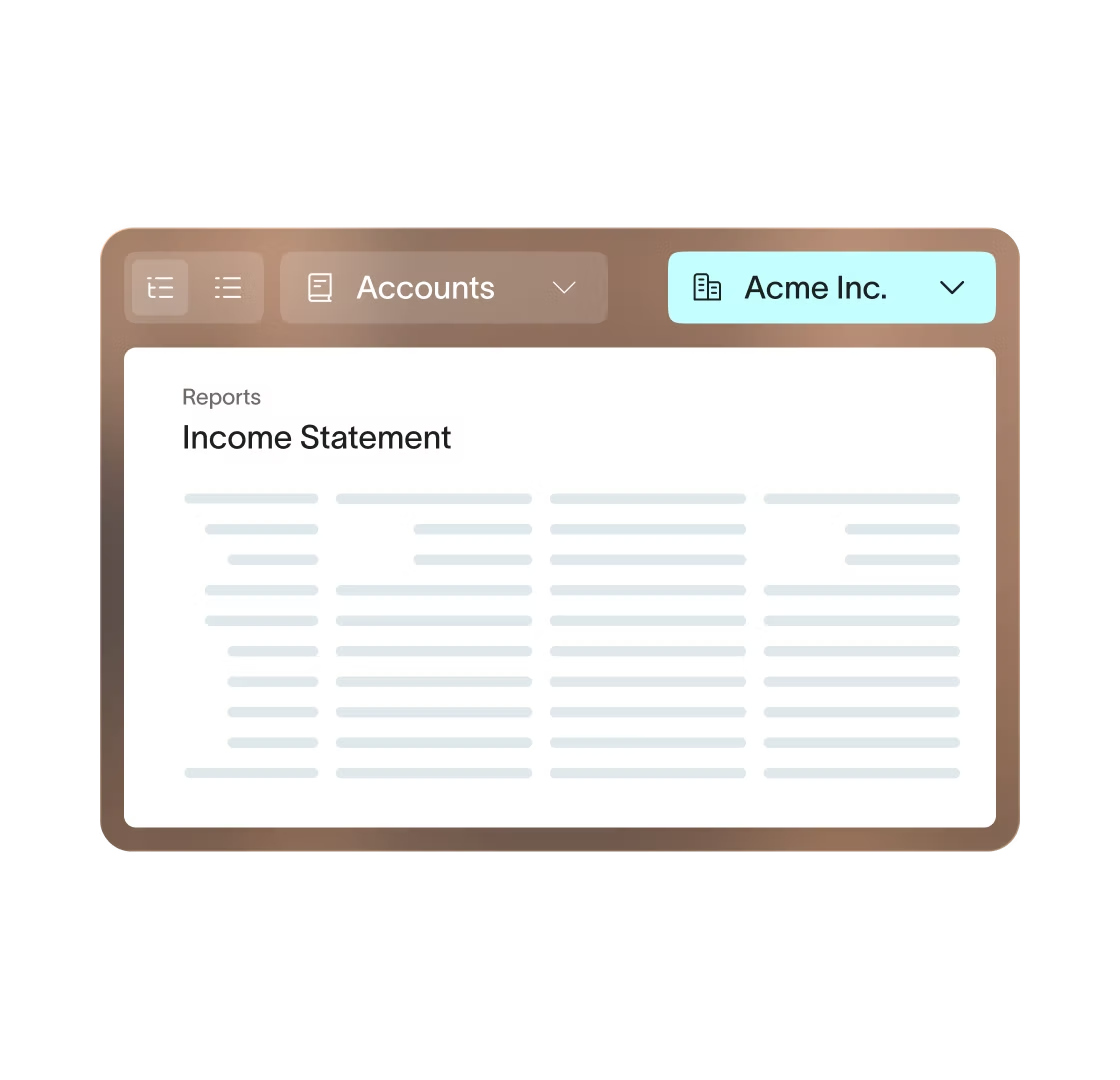
Reporting
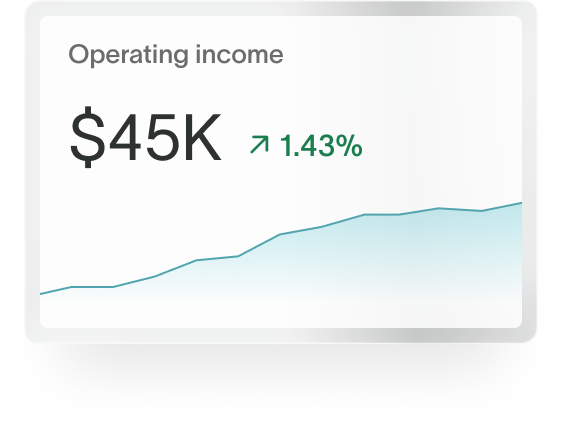
Entity-level and consolidated financials from the same data. No re-keying, no reconciling. Flip between views in one click.
Take the complication out of compliance
Growing across borders means navigating tax obligations, access rules, and audit requirements that vary by country, entity, and regulator.

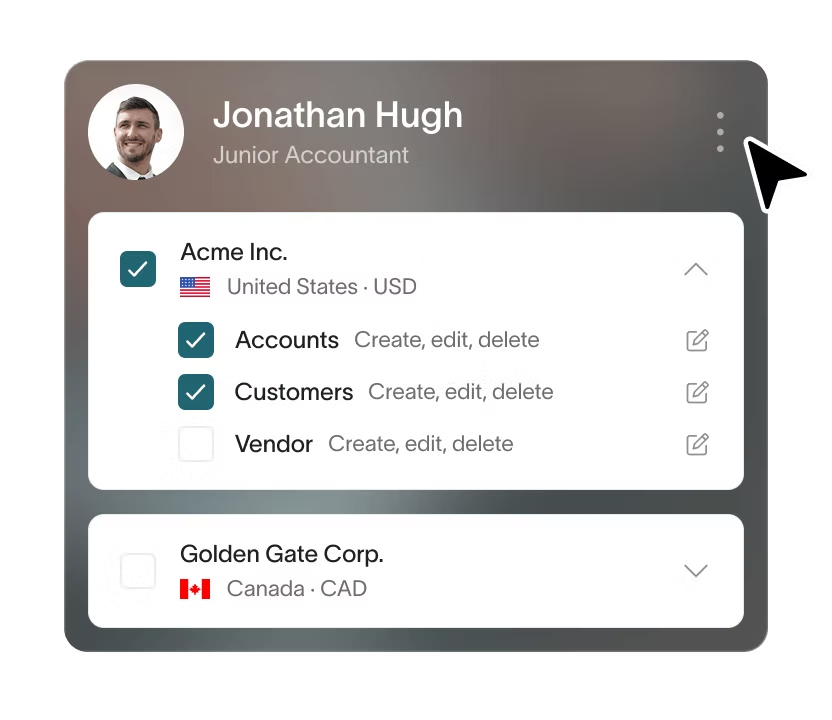
The right people
see the right entities
Control exactly who sees what by customizing access at every level.

Taxes supported
across every jurisdiction
VAT, GST, and sales tax calculated automatically.
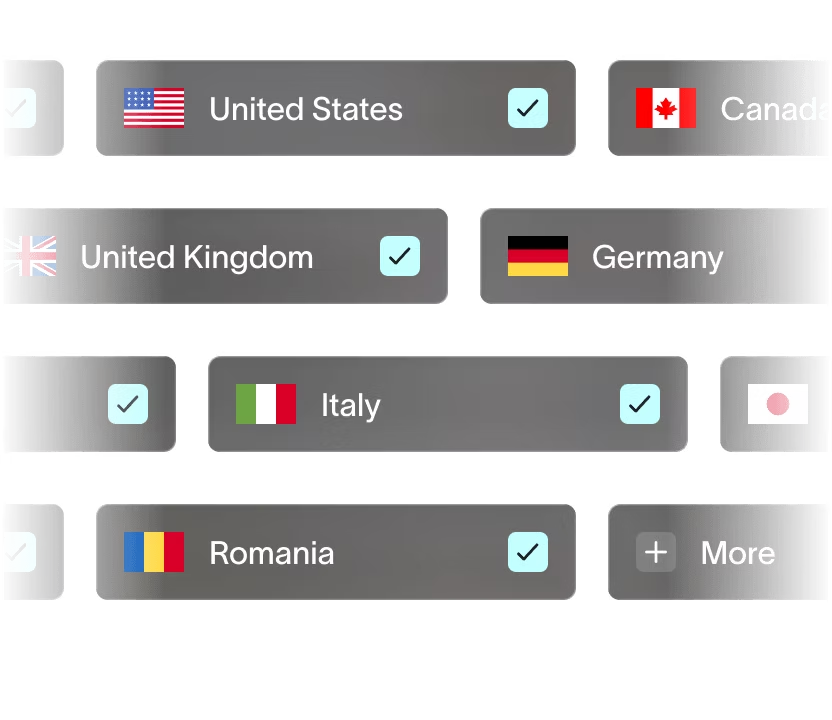
%20(1).jpg)
Always ready
for your auditors
Full audit trail from source to posted entry.
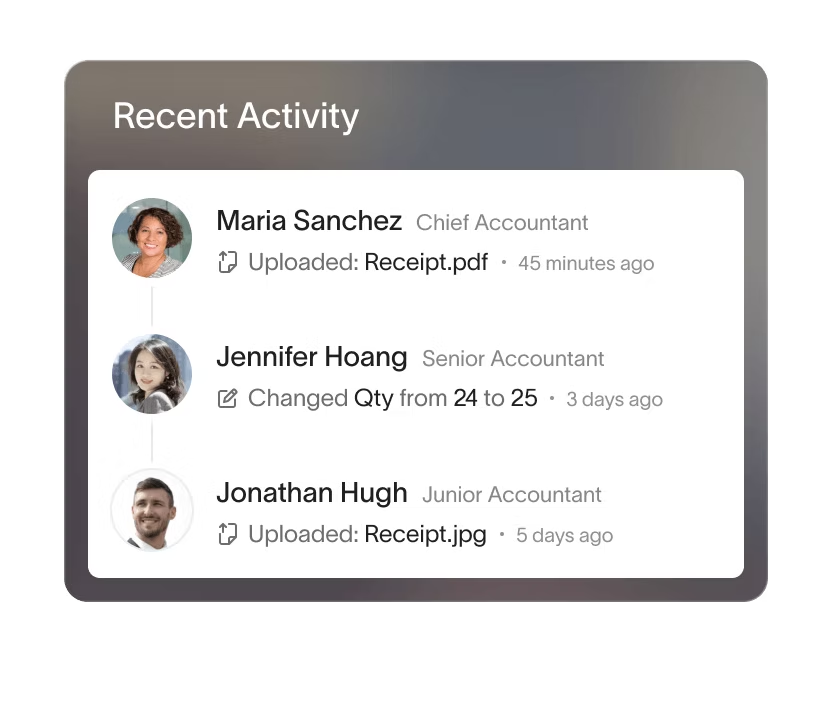
The details that keep global books clean.
Rates updated daily
200+ native integrations across CRM, payroll, AP/AR, datawarehouse
VAT and GST tracking
SOC 2 certified, GAAP IFRS compliant out of the box
13,000+ global bank feeds
180+ currencies and 240+ countries supported

“Thanks to DualEntry, we’re able to deal with all the nuances of our $140-million revenue business with a finance team of just one person.”
Your entity count shouldn't determine your close timeline.
By clicking "Schedule Demo" you agree to the use of your data in accordance with DualEntry's Privacy Notice, including for marketing purposes.

Multi-Entity FAQ
What is multi-entity accounting?
Multi-entity accounting is the financial management of multiple subsidiaries, business units, or legal entities, all under one system, typically through an integrated general ledger within an ERP. The more entities operate under a company the more difficult and complex it becomes to manage their financial data. This is why if you manage multiple entities it is a good idea to use a multi entity accounting software.
What is the difference between single entity and multi-entity in accounting?
The difference between single entity and multi-entity in accounting is that single entity tracks the finance of a single company or legal entity, on the other hand, multi-entity accounting tracks multiple entities, each of which may have different currencies and tax rules, and centralizes the data, automates processes, and consolidates financial statements.
What is multi-entity accounting software?
Multi-entity accounting software is a tool that handles multi-entity accounting—automating multicurrency transactions, simplifying and automating inter-entity transactions, and consolidating reporting all in one system.
What is the best multi-entity accounting software?
The best multi-entity accounting software should be a modern ERP system that can handle all the accounting nuances of multi-entity accounting like: Intercompany AR / AP, Fast set-up of new entities, AI intercompany netting, AI-guided allocations, Consolidated exchange rates and tax compliance across different jurisdictions. These all should work in harmony and help your team save hours and not spend more trying to learn a complex piece of software from scratch. So, if you are a growing team struggling with multi-entity accounting you should definitely consider giving DualEntry a try.
How does DualEntry simplify multi-entity accounting?
DualEntry is probably the best ERP software with multi-entity accounting features as it is AI native and offers automations other software weren't built to offer. With DualEntry AI's netting and elimination tools you can automatically create transaction settlements and post elimination journal entries. AI-generated allocation suggestions based on your data and preferred form of expense distribution will save you tons of time and streamline closing. With real time reporting you can run subsidiary-level or consolidated reports at any time, without needing to wait until the month end, And these are just a few of DualEntry’s multi-entity features. To learn more contacts us here.
Does DualEntry handle intercompany transactions?
DualEntry not only handles intercompany transactions but with the AI intercompany netting and elimination tools it automatically creates transaction settlements and post elimination journal entries.
How do we compare ERP systems for multi-entity accounting?
Evaluating multi-entity accounting requires looking beyond features to consolidation logic, intercompany reconciliation workflows, and reporting structure. A structured ERP evaluation framework helps teams compare these capabilities consistently across vendors.